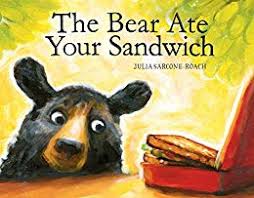
Bears, bears, bears! There are so many great books, rhymes, and potential for a storytime about bears! It’s a great theme year round, whether you’re talking about what bears do in the fall to get ready for winter, how they hibernate, waking up in spring, or going on a bear hunt and camping in summer. Let’s take a look at how this storytime went!
Continue reading “Storytime: Bears!”School Libraries, Graphic Novels & Reluctant Readers
School librarians have it rough in a lot of aspects. First, from what I know of the typical school library, they don’t have a huge budget. Then with the added pressure of it being a school library as opposed to a public library with a completely different and concentrated patron base, it’d be difficult to choose the right materials for the right age groups. After reading parts of Weiner’s Graphic Novels and Comics in Libraries and Archives: Essays on Readers, Research, History and Cataloging, I feel like I have a slightly better understanding of why choosing graphic novels in a school library setting would be especially difficult.
Continue reading “School Libraries, Graphic Novels & Reluctant Readers”Cataloging and Graphic Biographies
It’s back to the great shelving debate for my comics class after reading Weiner’s section on cataloging. Among the readings, Tarulli’s essay gives a good overview of the difficulties in cataloging and shelving graphic novels and comics. Comics take on all sorts of genres such as biographies, fantasy, horror, mystery/detective, romance, etc. Many people tend find a genre or two that they like (or an author) and stick with them. They tend to browse in that genre or branch out to other authors who are “read alikes.” It would make sense to people who follow this pattern for their library to interfile their graphic novels and comics so that they fit genre.
Continue reading “Cataloging and Graphic Biographies”Thoughts on Narration and Style in Comics
This might not be a huge surprise, but every graphic novel is unique. Different authors mean different storylines, narratives, and writing styles. Different artists mean varying styles and strokes. This seems really obvious, but I never thought of just how much it matters when reading a comic book. When I first started reading comic books, it took me forever to read because I had to adapt the way I read to include both text and graphics. But I’m realizing more and more that even if I read comic books exclusively, it would take me time to adapt from one comic book to the next just because of the varying styles of art and presentation of text. In many ways, I think that’s why I find it easier to read novels. I still have to get in the groove of any particular author, but the text-base is familiar and there’s less of a “learning curve”.
Continue reading “Thoughts on Narration and Style in Comics”Visual Literacy & Comics
Mouly’s article, Visual Literacy: Exploring This Magical Portal, surveys some of the ways in which comics enhance literacy in ways that regular novels can’t. This includes how comics can help to build connections between words, pictures, and sound effects, providing context for new vocabulary words, guiding the attention of a reader, and depicting the story structure and narrative style more plainly than novels.
Continue reading “Visual Literacy & Comics”
