Our final post on the ECRR daily practices is Reading and Writing! Because reading and writing are tied together more tightly than any of the other five daily practices, I’m going to talk about them together. Reading and writing go together. They draw upon the same shared knowledge bases and to learn one, you have to have a foundation of the other. They both build phonological awareness, narrative skills, alphabetics, and print concepts. Even more, they work with the symbolical nature of language.
If you missed the first three daily practices, you can find them here!
Reading:
Let’s start by looking at reading. Reading together, or shared reading, is the single most important activity caregivers can do with their children. It develops vocabulary and comprehension, nurtures a love of reading, and motivates children to want to learn to read.
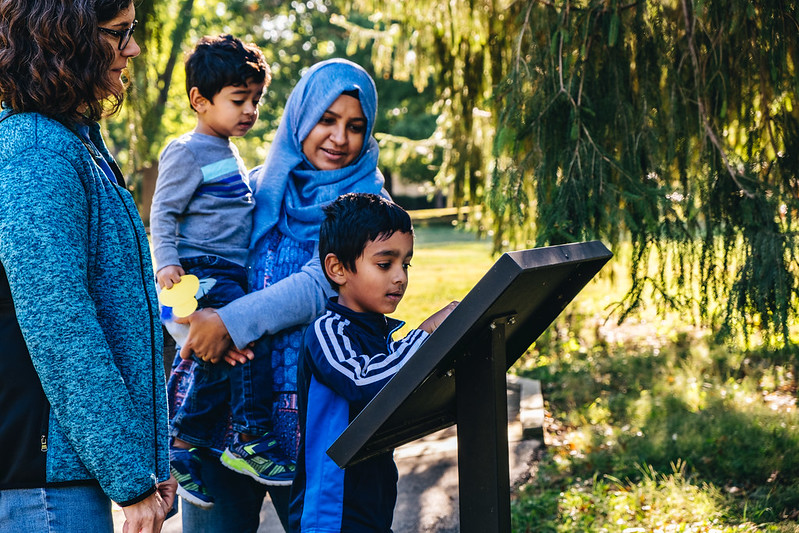
For caregivers, it’s important to remember two tips to improve the reading practices.
- Choose Books That Interest Your Child: This is always and forever the absolute best way for caregivers, librarians, educators, etc to encourage a healthy lifelong love of reading. And that’s really the goal. We want people to enjoy reading.
- Choose Times When the Child is Ready to Listen: If your child isn’t in the mindset for a book or sitting still, that’s ok! Go about your day, try some of the other early literacy practices, or leave it until they’re ready. Kids are super similar to adults in that if we force an activity, it becomes a chore.
For librarians and early childhood educators, we should add a couple more tips.
- Sustained Themes: Though there’s a fair amount of debate on theming (especially in storytimes), but it can definitely emphasis new vocabulary. Targeted programming such as this also helps to build world knowledge. Perhaps you don’t want to theme storytimes, try having a theme for the toys you set out or a themed writing prompt.
- Non-Fiction Books: Non-Fiction books used to be long lines of intense text with little to no visuals. But now, non-fiction publishing is flourishing! They boost vocabulary and other kinds of literary knowledge such as the mechanics of using a book (table of contents, indexes, etc) while emphasizing the concepts with bright and boldly colored pictures and graphs. It supports an inquiry-based learning system and ultimately prepares kids to handle real-life reading.

Writing:
Now that we’ve had a chance to look at how reading comes into play as an early literacy practice, let’s look at writing.
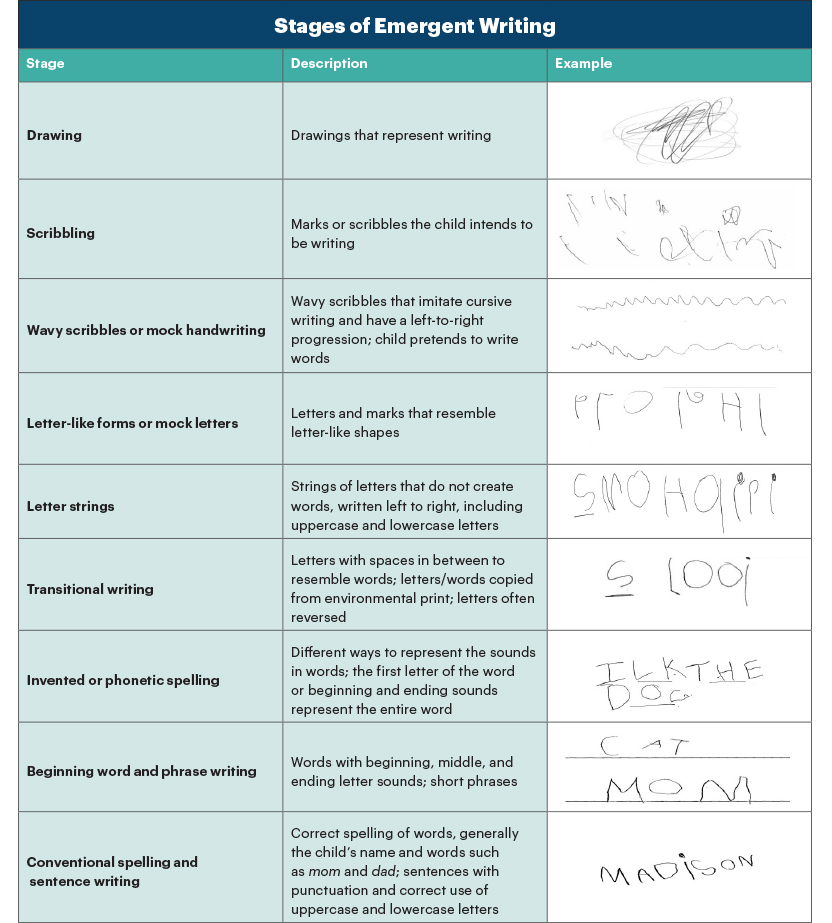
The NAEYC has a great page on emergent writing for little ones. To the left, you’ll see one of their graphics of the different stages along with examples.
Here are some tips for caregivers when trying to practice writing with their children.
- Let Children Assign Meaning: Especially when they’re in the scribbling stage, it’s important to let a child assign their own meaning to the scribble or drawing. Instead of saying “what a nice flower you drew!” say something along the lines of “What is this part of the picture? Can you tell me about it?” This allows the child to attach the concept of symbolism to their writing and drawing attempts.
- Encourage Attempts at Print and Labeling: Similar to assigning meaning, you can encourage a child to simply label a drawing to further their writing practices.
- Scribbling/Tracing: This is the gateway to writing. When a child signs their name on a piece of paper, even if it is scribbling, they are learning that they can write something that represents their name.
- Alphabetics: This is where letter knowledge and the alphabet come in. Once a child learns that a letter makes a sound, children can connect that with reading.
Now for the librarian and early child educator side.
- Access to Writing Materials: It’s important to allow a child to have opportunity to write and draw. Possibly having a writing station in your play area or a large piece of paper hung up with a writing/drawing prompt that would allow children of all ages to practice.
- Open-Ended Crafts!: Try open-ended, or process, crafts to boost the way children connect their world to themselves. So often during craft time, I see caregivers who may not see the value in the child’s creation until the child explains what they have created. It’s the same kind of symbolism that scribbling creates. Just because it doesn’t look like something to the adult, doesn’t mean it has no meaning.
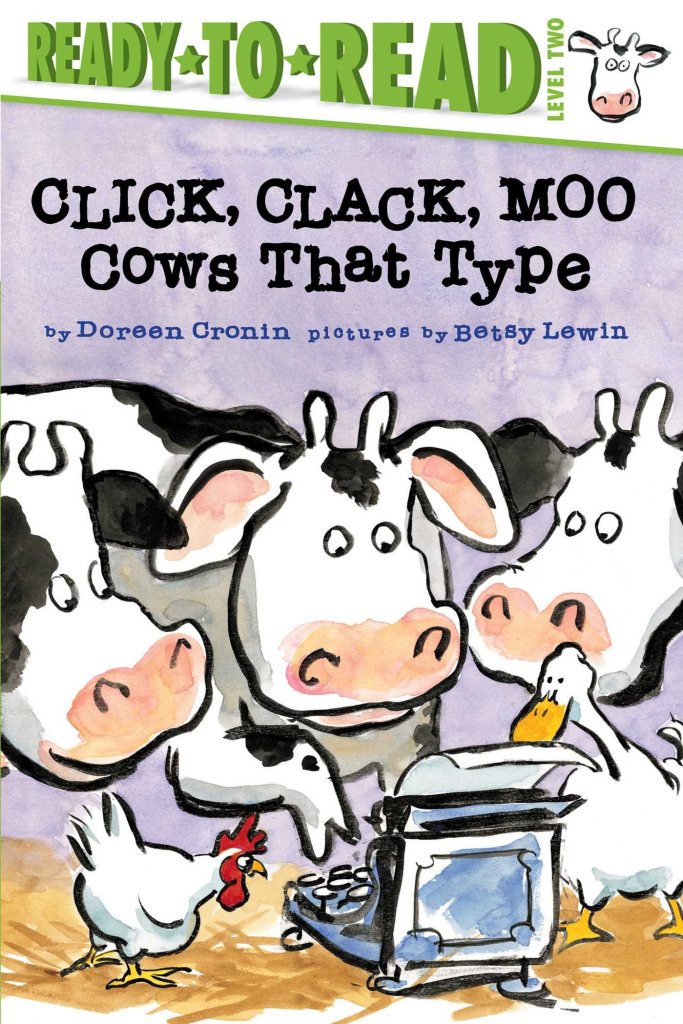
- Books for Writing: Promote and showcase books with “examples” of preschool writing, books with lists or stories told through letters. See below for a few examples or take a look at my booklist!
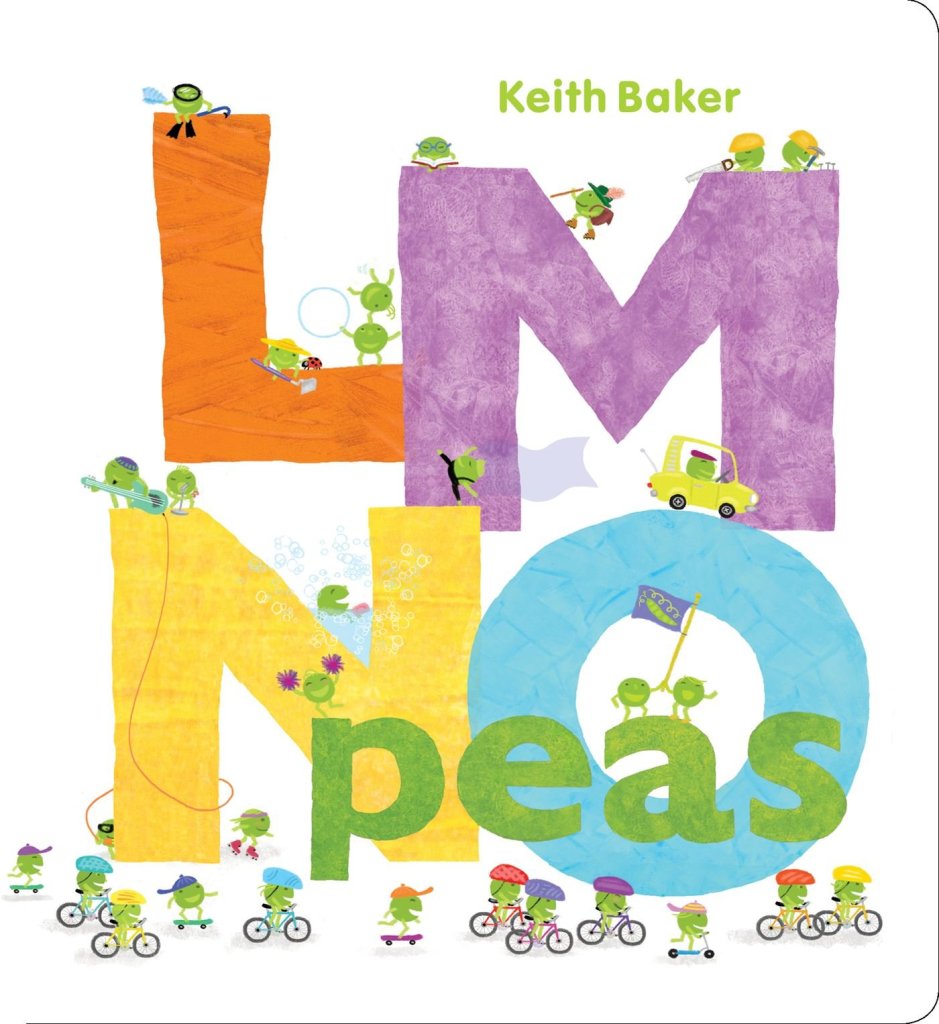
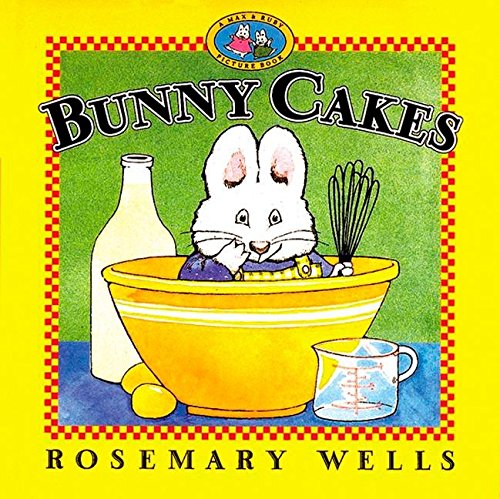
We can see how intertwined reading and writing really are. After looking at the other ECRR components of Talk, Sing, and Play, you can identify why and how each of those first three inform and strengthen a child’s success in reading and writing.
 Librarian Ginny