Here’s another one of my favorite ECRR practices! Playing! It helps children think symbolically. A ruler becomes a magic wand. Our surroundings become prehistoric times with dinosaurs and a playmate becomes a t-rex! Their imagination is the limit! Just the act of this kind of play reinforces the code deciphering children will do later on when they’re learning to read and write.
I know all too many people who think that learning and playing don’t go together. But it does! Children learn about language through play. More than that, playing builds conceptual knowledge of the world, words are able to map onto concepts, it engages children in problem-solving, and it fosters important social interactions. In this way, we’re changing the conversation from two separate thoughts to one concept of Learning Through Play. The NAEYC has a wonderful page dedicated to this. I think Fred Rogers said it best, “Play gives children a chance to practice what they’re learning.”
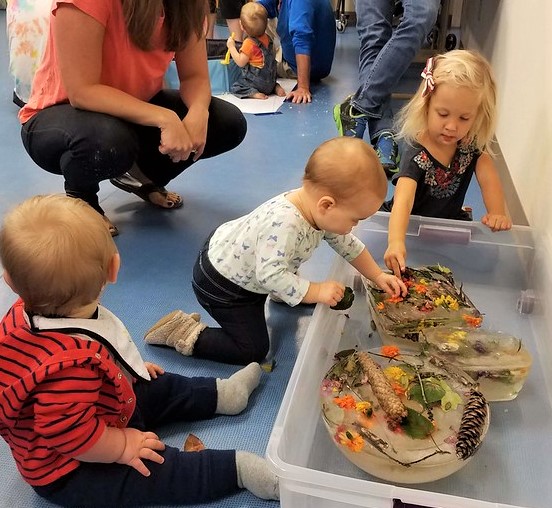
Now that we’re aware of some of the background of how play fits into an early literacy initiative, let’s see how it impacts caregivers:
- Create a Playful Environment: Children’s environment can help them get ready to read, so make your home a learning zone! Provide dramatic play opportunities (such as playing vet or kitchen.)
- Make Literacy a Part of Play: Provide materials for making menus for a pretend restaurant, suggest reading aloud to stuffed animals and dolls, or have your child draw and label a picture!
- Give the Child their Choice: Let your child choose how to play, it must feel fun and enjoyable for them. It’s best to allow intrinsic motivation to take over. Allow your child to explore a topic they’re interested in.
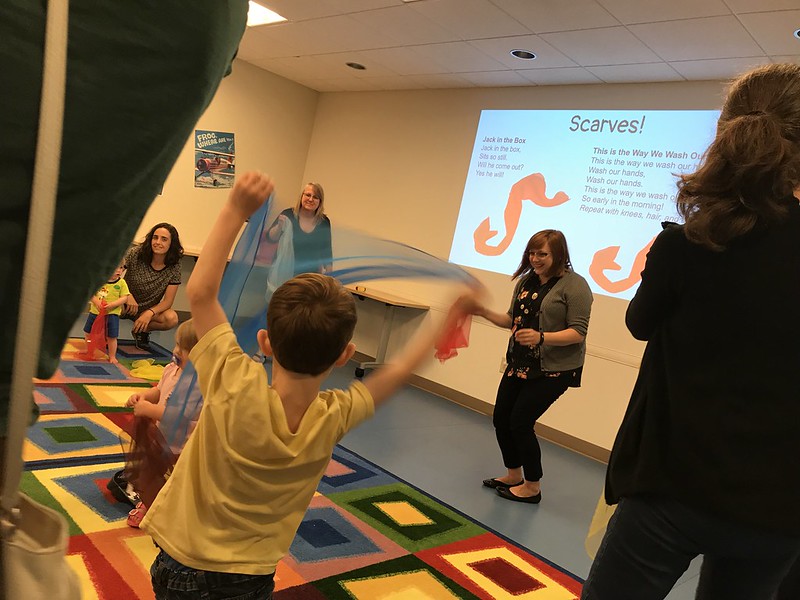
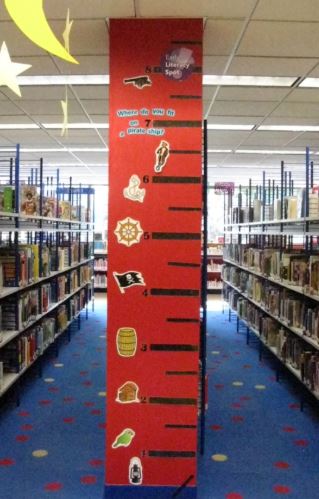
On the librarian and programming side of things, much is the same! If your library can provide a play center (or at least some toys for in-house use) then go for it! If not, think about in-room activities that might invite play, such as passive activities, writing or story prompts, early literacy spots that encourage interaction, etc.
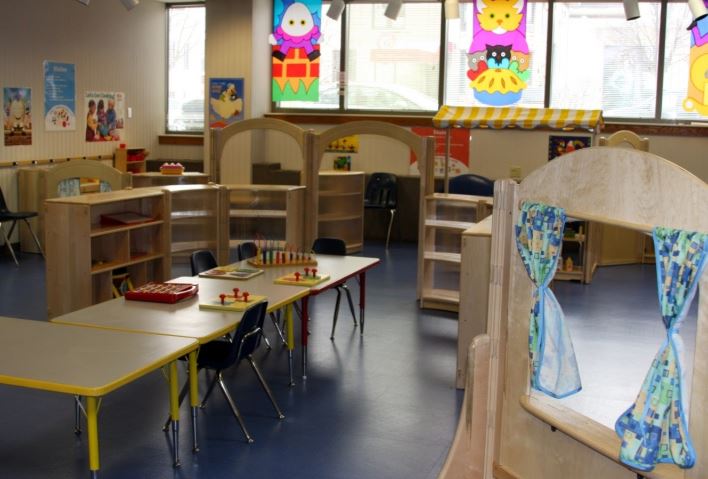

Here are some other ways to incorporate play into the library:
- Crafts: When doing crafts, try process crafts instead of product crafts. Or if you need to do product, try things like puppets or masks that encourage play and still give some freedom for creativity.
- Free Play: When doing baby, toddler, or preschool programs, build in an extra 15 minutes for freeplay. If it’s a storytime, you can set out puppets or other toys that might fit the theme of the day so that the kids can extend their learning.
- Retell Stories: Have the kids help you retell or act out classic stories (or a story you just told in a storytime). Turning literature into play reinforces the story as well as all the concepts within it!
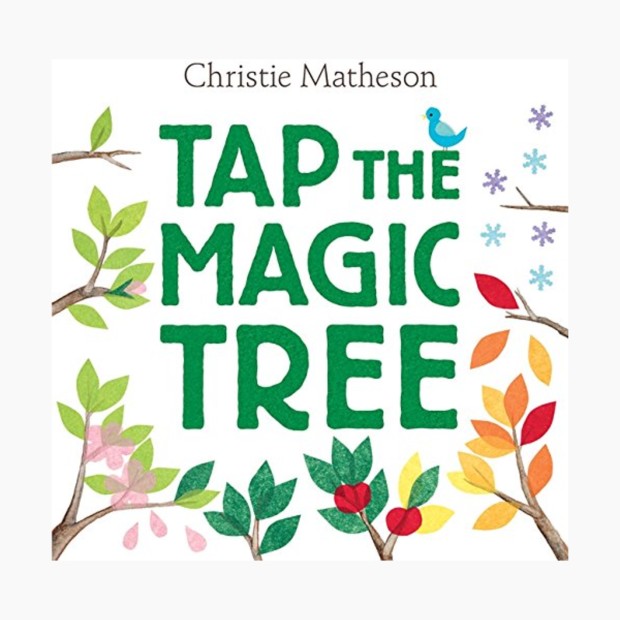
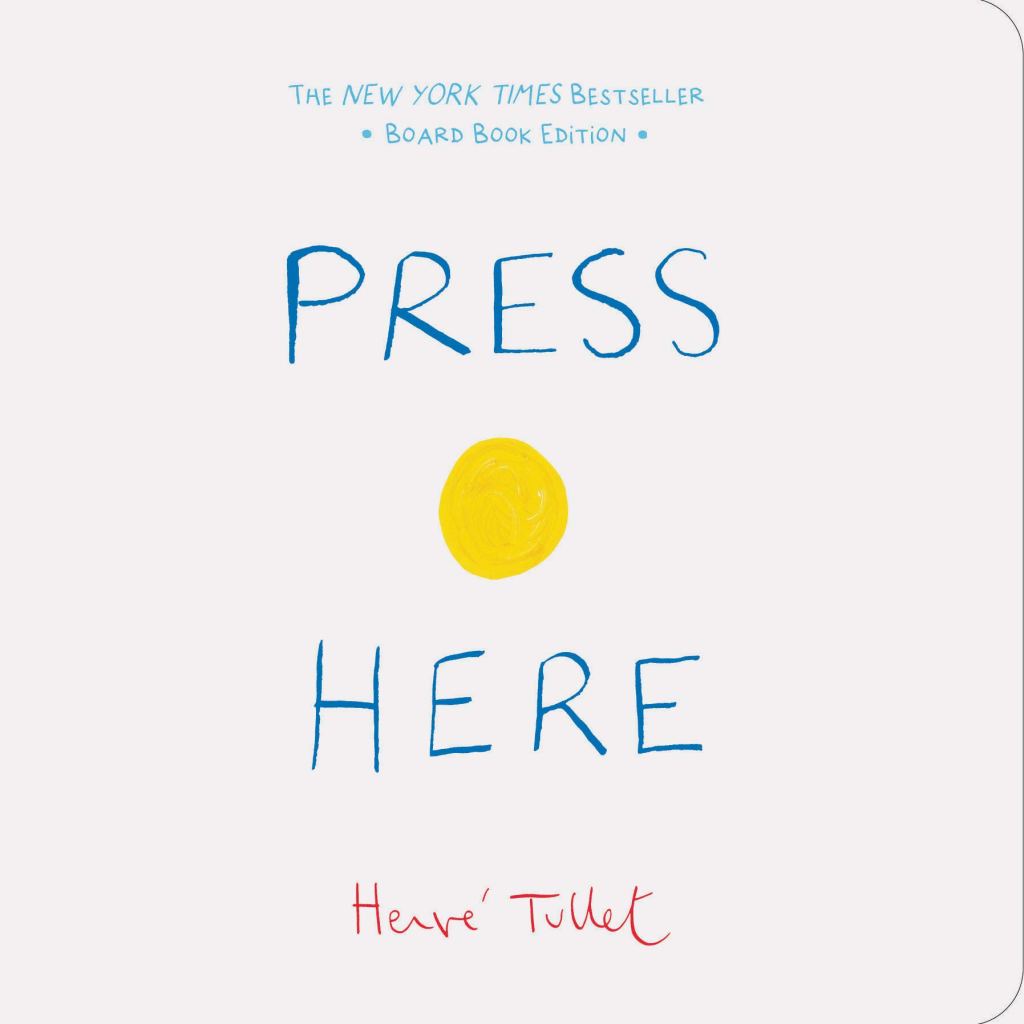
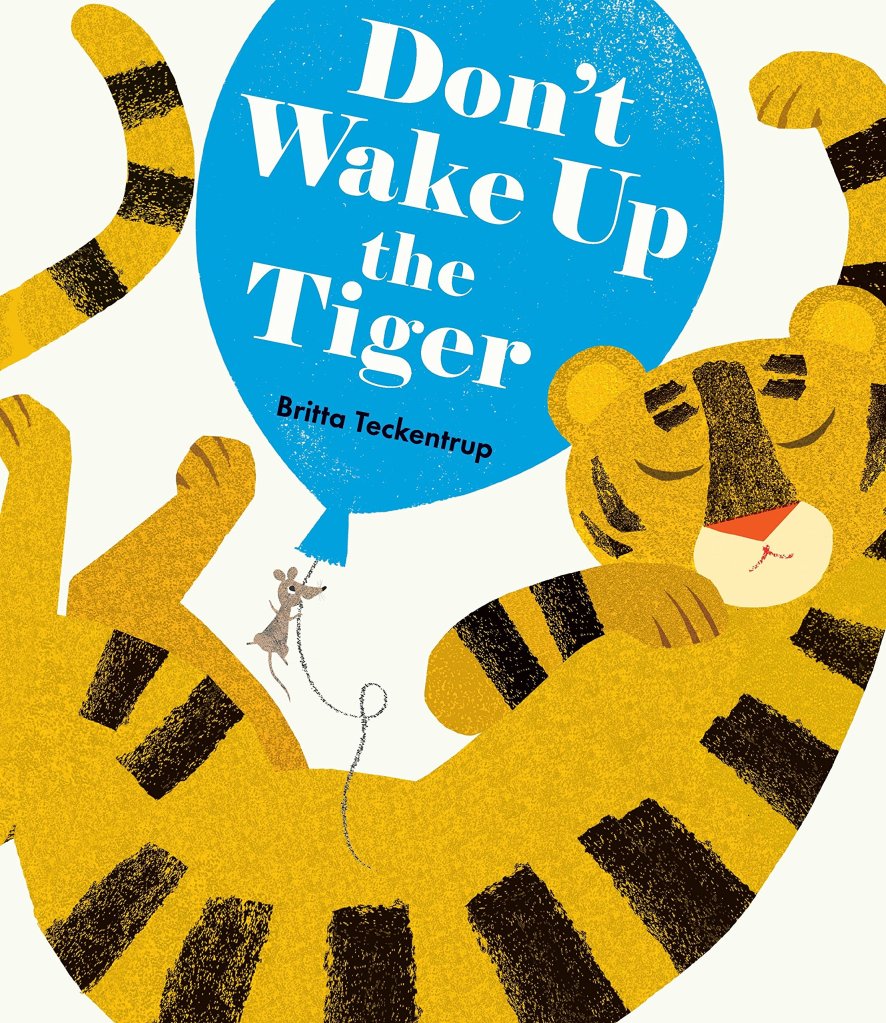
- Use Interactive Books: There’s nothing better than a child thinking a book is literal magic. Interactive books get this reaction because they typically break that 4th wall and ask the readers to be active participants in telling the story. Find some examples below or take a look at my booklist of Interactive Books.

 Librarian Ginny