The second in our series on Every Child Ready to Read’s five daily practices is here! If you missed last week’s edition of Talking, find it here! This week’s practice is Singing. This is one of my absolute favorite ways to promote early literacy. Singing comes so natural to kids and it helps them learn in a very fun and playful way! Let’s dive in!
With singing, kids can learn new words and information, develop listening skills, and phonological awareness. Because singing slows down language so children can hear the individual sounds that make up a word it strengthens their phonological awareness. Try it out by singing Twinkle, Twinkle Little Star! See how singing the words draws them out into individual sounds? Caregivers can try out the following tips to extend this practice:
- Speak Musically: Challenge yourself and your child to sing everything you say!
- Create a Song Just for Your Little One: Maybe it’s to a common tune or a brand new one you made up yourself! Maybe it’s just the child’s name with some descriptors. Whatever it is, it’s a powerful emotional bond that incorporates early literacy.
- Narrate With Music: Sing your to-do list, how and what you’re cooking, your schedule for the day!
- Point Out Rhymes: Children learn to match the sounds of language through rhymes and songs, so point out the pairs of rhymes!
Now the programming side of things for librarians or early childhood educators!
- Sing All the Songs!: Add music or rhymes into EVERY storytime! Make them fun and be enthusiastic about them! There are a ton of resources, but my absolute favorite digital resource is Jbrary! I will also be adding songs and rhymes to my own Youtube as I finish them.
- Play with Pace and Pitch: Challenge the kids to sing faster and faster or try a new rendition of the Itsy Bisty Spider by changing the words to “Great Humongous Spider” and using a deep, booming voice.
- Add Movement: Little ones are gaining fine and gross motor movements, so try songs or games that let them practice big movements like Head, Shoulders, Knees and Toes or little movements like Five Little Ducks.
- Use the Classics! They’re classics for a reason! Kids will rarely turn down a chance to sing Old Macdonald or Twinkle, Twinkle, Little Star. You can; however, put your own spin on it. Instead of living on a farm, maybe Old Macdonald lives in the forest or jungle! You can expand vocabulary this way.
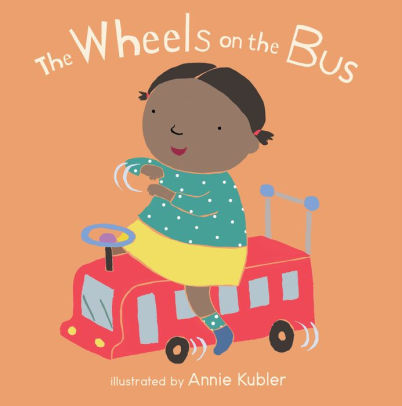
There are so many great books based on songs! Point out the words that rhyme as you sing the song. To see more books that are singable, take a look at my booklist!
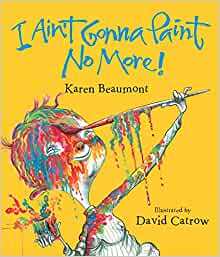
Books that are written in rhyme or simple poetry also work well to emphasis the structure of words and language. For example, I Ain’t Gonna Paint No More! incorporates a guessing game that involves rhymes.
I’ll be back next week with some tips on Play!
 Librarian Ginny