For the next few weeks, I’m going to talk a bit about one of Every Child Ready to Read’s five daily practices and some examples of how to incorporate it into programming. This week’s practice is Talking. Children learn about language by listening to parents and adults talk and by joining in the conversation. Sounds super simple, right? It actually is! Let’s look at it a bit more in depth, though.
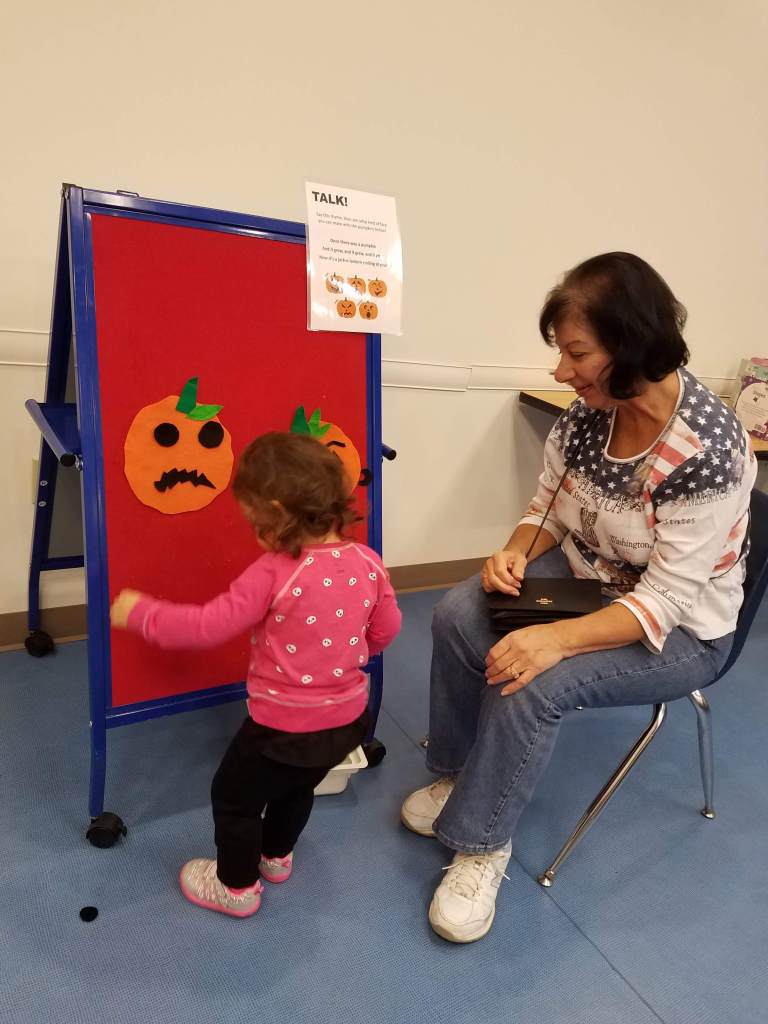
Hearing and joining in on talking and conversation not only builds language fluency, but also builds important background knowledge for kids. For a caregiver, this might look like engaging in cognitively challenges talk or open-ended questions. Conversations between caregivers and children are one of the best ways to help children learn new information and new words. Make sure your child has lots of opportunities to talk with you, not just listen to you talk. Respond to what your child says, and follow his or her lead. Talking, telling stories, and stretching conversations are ways children learn new information, new vocabulary, and other early literacy skills. Caregivers can try out the following tips to extend this practice:
- Paraphrasing and Repeating: One way to help children learn more from a conversation is to repeat a child’s request or comment and paraphrase it. You also can expand on your child’s comments and stretch out the conversation with additional explanations.
- Use New Words: Good readers have a large vocabulary. Knowing lots of words helps children better understand what they read.
- Take Turns: Children are just beginning to learn to have a conversation. It is important for parents to ask questions and listen to what children say in response.
- Make connections: Recalling past events and connecting them to current and future activities helps children develop an understanding that language can represent events that are not happening now.
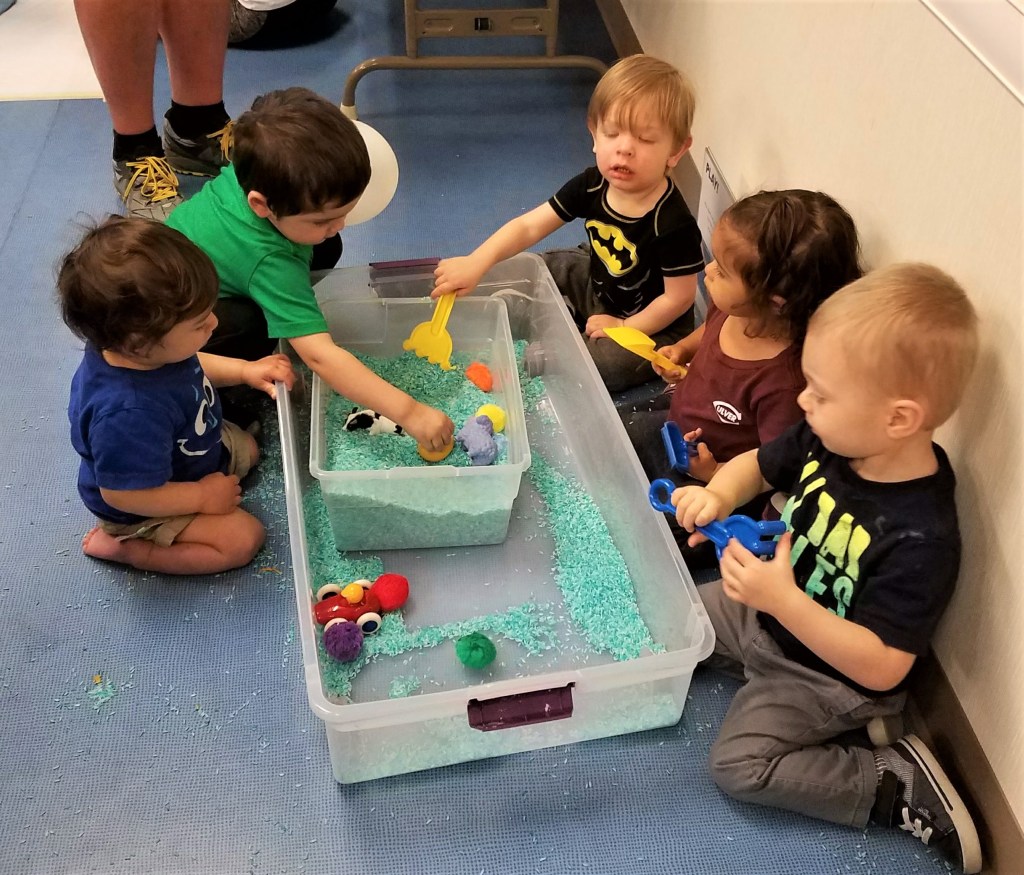
Now let’s look at the librarian side of things! While a lot of the Caregiver Tips are relevant to librarian work, there are some things a librarian can zone in on to incorporate this practice into their programs.
- Open Ended Questions: Start your programs with an open-ended question! Before any storytime I do, I always ask some open-ended questions either about the theme of the day or just general questions about their life or how they’re doing.
- Dialogic Reading: It’s the process of having a dialogue with children about the text you are reading. Help children to explore the story at a deeper level, including defining new words, analyzing the components of a story and being able to talk about the text. Many people do this naturally, but making it a focal point of storytimes is so valuable, not only while the kids are there during the program, but also because the caregivers can see you demonstrating a good way to read and interact and will likely pick up some of those habits.
- Oral Storytelling: This is a great way to showcase the fluidity of language as well as encourage comprehension of the narrative. It’s cheap, develops the skills of explaining details and sequences, and is easy to do. In addition, it’s versatile to so many different programs.
- Picture Walks: This is a great trick to utilize in storytimes or other preschool programs. Let the children walk you through the story, describing what’s happening on each page. Ask open-ended questions or rephrase and repeat back to the children in order to extend this activity.
- Adult Interaction: Create opportunities for adult/child interaction during activities. If you’re doing a craft, make sure that the adult feels included. Maybe even design the craft so that a grownup must help. When doing songs and rhymes in storytimes, encourage the grownups to do it with you or even have the children pair off with their adult to do it.
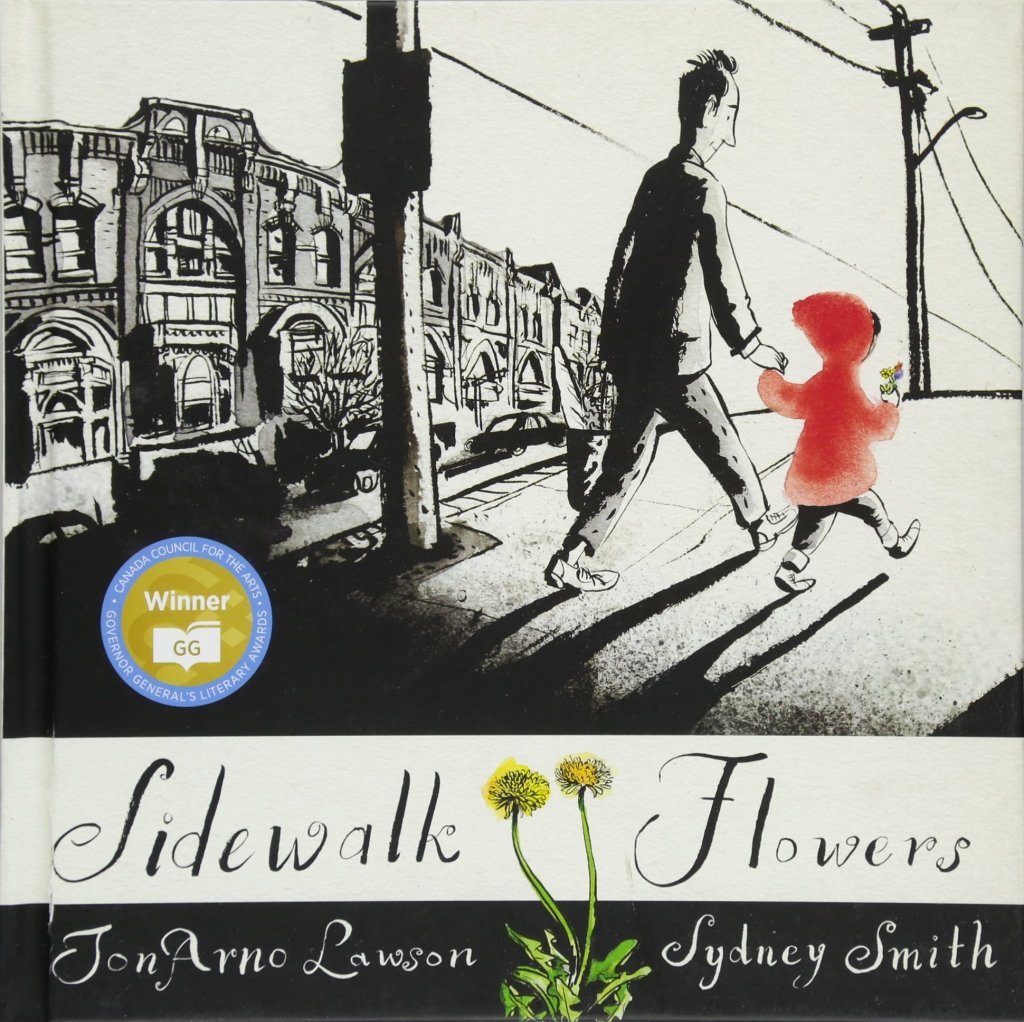
Wordless picture books are perfect for picture walks and dialogic reading. Take a look at my booklist for stories without words for inspiration!

Search and finds are fantastic vocabulary builders.
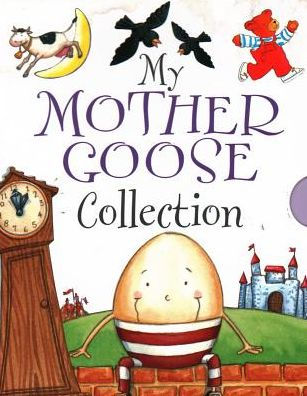
Nursery tales lend themselves to the ideas behind talking because of the rhyming schemes and fluidity of language.
Ready to move on to the next daily practice? Click here to see how Singing is incorporated into early literacy!
 Librarian Ginny