
With everything going on and our current political climate, racism, prejudice, implicit bias, and microaggressions are more rampant than they’ve ever been. Or maybe that’s my privilege showing that I’m only noticing it more now. We’re all privileged in some way or another, so why not self-reflect and see if we can use those privileges to lift up voices that need to be heard?
The following booklist doesn’t contain titles about the civil rights movement or black history, though those are closely intertwined with what’s currently happening. It’s meant to contain a broader sense of the injustices and prejudices pertaining to race and differences among people. Here, you can find titles that deal with current events such as racism in America, Black Lives Matter, intolerance to immigrants, the U.S. border, etc. It’s my hope that these books can open discussion about race, racism, bias, etc with children 0-12 years of age. It’s never too young to start talking about this important topic.
Books for Children: Preschool-3rd Grade
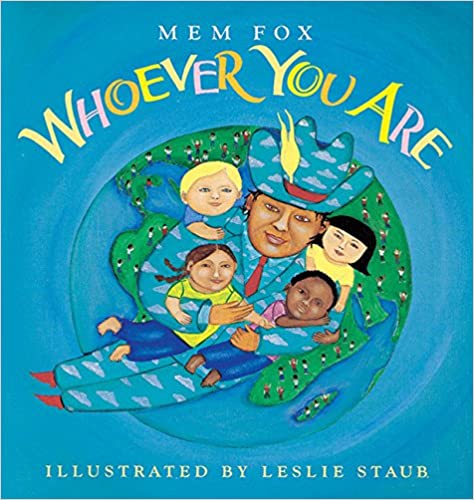
Despite the differences between people around the world, there are similarities that join us together, such as pain, joy, and love.
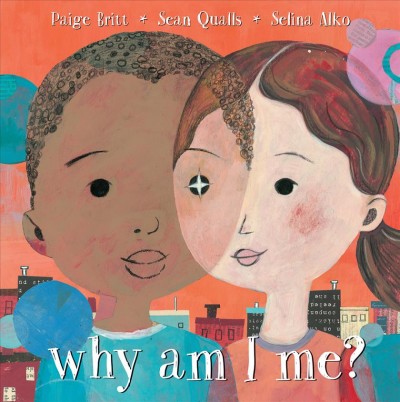
In a poetic, philosophical exchange, two children of different races ask themselves why they are who and what they are, and speculate on how they could be different.
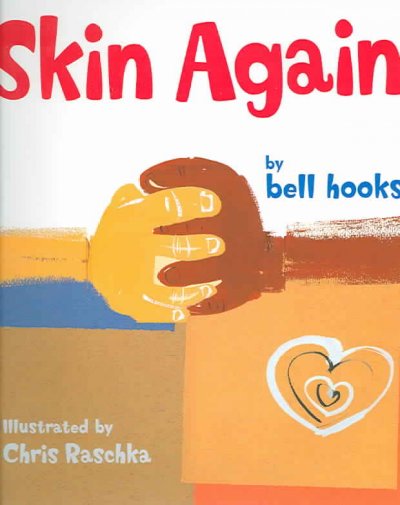
A celebration of humanity rather than ethnicity. In a text that flows and dances and weaves, the phrase “The skin I’m in is just a covering” repeats several times. “It cannot tell my story. If you want to know who I am you have got to come inside,” the text continues, and the word inside repeats several times more.
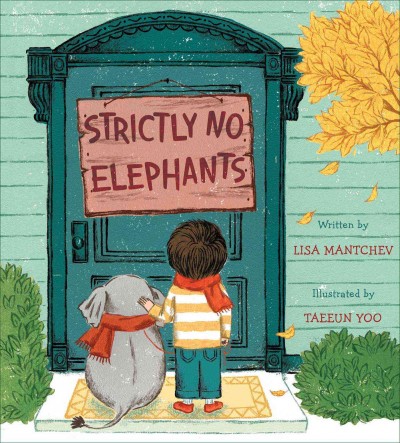
A boy and his tiny pet elephant attempt to attend a Pet Club meeting, but a “No Elephants” sign thwarts their plans. They form their own all-inclusive club, along with a girl and her skunk (“He doesn’t stink”), and welcome everyone.
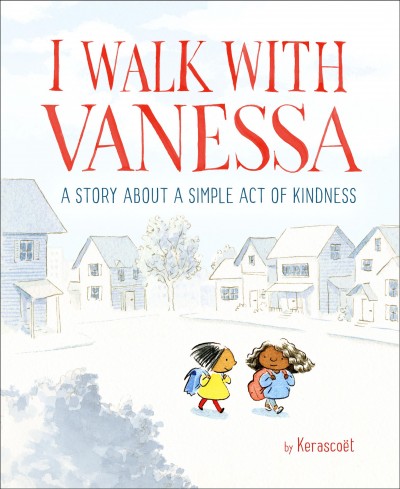
In this wordless story, brown-skinned newcomer Vanessa is bullied by a white boy as she walks home alone from school. A girl classmate witnesses the abuse; the next morning she walks to school with Vanessa and they’re joined by more supporters.

Photographs and simple text celebrate friendship, diversity, and acceptance.
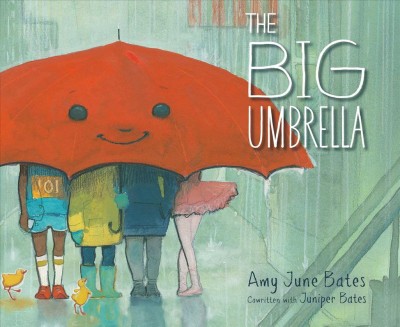
By the door there is an umbrella. It is big. It is so big that when it starts to rain there is room for everyone underneath. It doesn’t matter if you are tall. Or plaid. Or hairy. It doesn’t matter how many legs you have. Don’t worry that there won’t be enough room under the umbrella. Because there will always be room.

A child reflects on the meaning of being Black in this anthem about a people, a culture, a history, and a legacy that lives on.

In a world full of microaggressions, the authors offer an affirming answer for a young brown-skinned girl constantly being asked “Where are you from?” After her reply, “I’m from here, from today, same as everyone else,” is contested with a “No, where are you really from?,” she takes her internalized confusion to her abuelo.
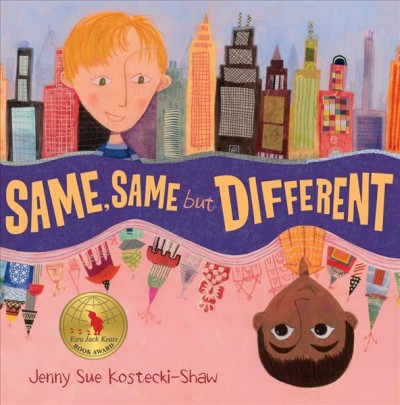
Pen pals Elliott and Kailash discover that even though they live in different countries–America and India–they both love to climb trees, own pets, and ride school buses.
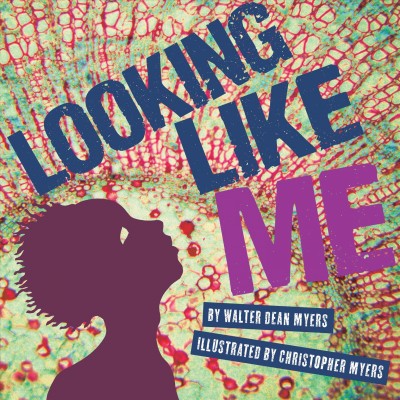
Jeremy sets out to discover all of the different “people” that make him who he is, including brother, son, writer, and runner.
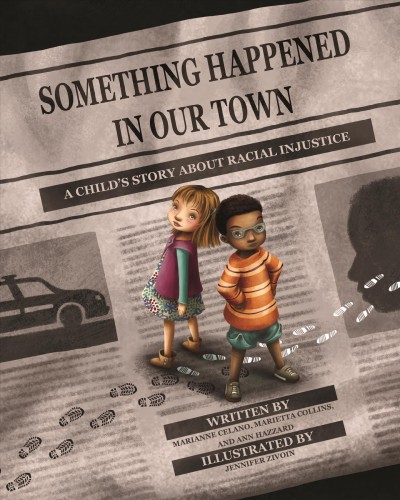
After discussing the police shooting of a local Black man with their families, Emma and Josh know how to treat a new student who looks and speaks differently than his classmates. Includes an extensive Note to Parents and Caregivers that provides general guidance about addressing racism with children, child-friendly vocabulary definitions, and conversation guides.
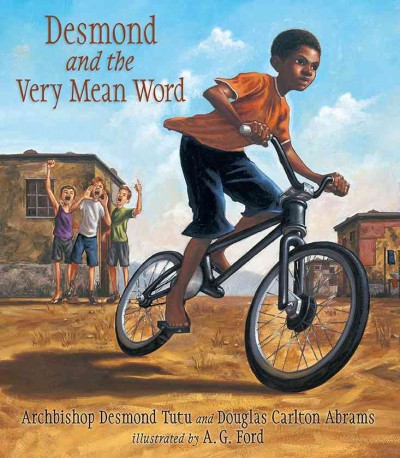
While riding his new bicycle Desmond is hurt by the mean word yelled at him by a group of boys, but he soon learns that hurting back will not make him feel any better.
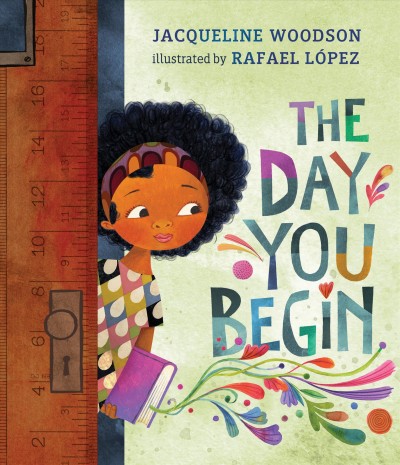
There will be times when you walk into a room and no one there is quite like you.There are many reasons to feel different. Maybe it’s how you look or talk, or where you’re from; maybe it’s what you eat, or something just as random. It’s not easy to take those first steps into a place where nobody really knows you yet, but somehow you do it.
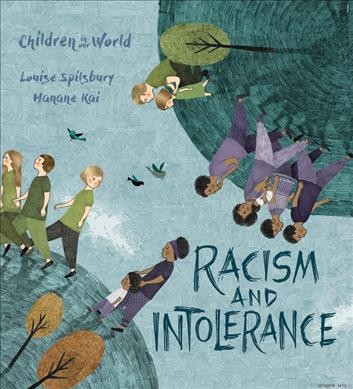
In this book, children can get answers to questions like: “What does it mean to be a racist–or intolerant?” and “How can I help?” Children will begin to understand the way others struggle with these issues and become empowered to make a difference.
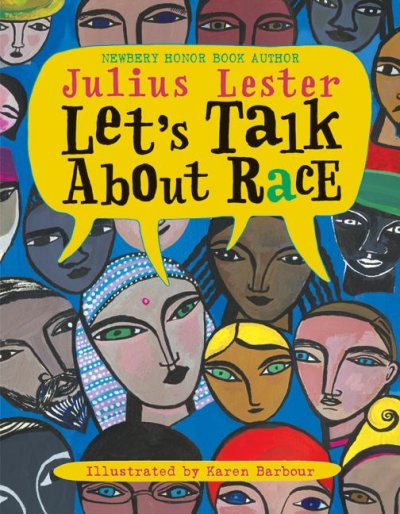
The author introduces the concept of race as only one component in an individual’s or nation’s “story.”
Books for Children: 3rd – 7th Grade

Told from two viewpoints, sixth-graders Karina and Chris use social media to stand up to racism in Houston, Texas, after an attack puts Karina’s Indian American grandfather in the hospital.
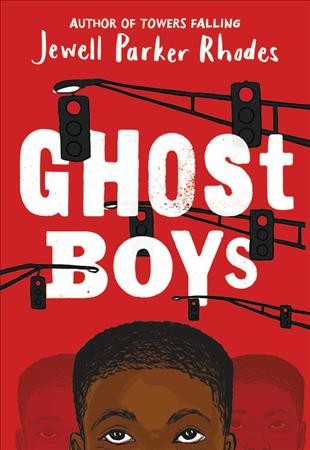
After seventh-grader Jerome is shot by a white police officer, he observes the aftermath of his death and meets the ghosts of other fallen black boys including historical figure Emmett Till.

When twelve-year-old Edie finds letters and photographs in her attic that change everything she thought she knew about her Native American mother’s adoption, she realizes she has a lot to learn about her family’s history and her own identity.
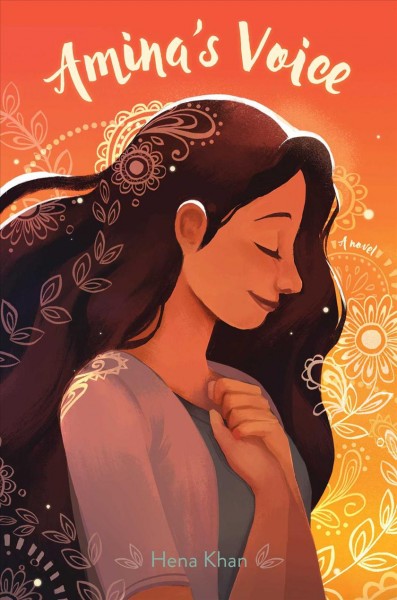
A Pakistani-American Muslim girl struggles to stay true to her family’s vibrant culture while simultaneously blending in at school after tragedy strikes her community.
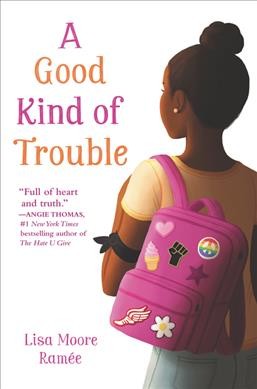
After attending a powerful protest, Shayla starts wearing an armband to school to support the Black Lives Matter movement, but when the school gives her an ultimatum, she is forced to choose between her education and her identity.
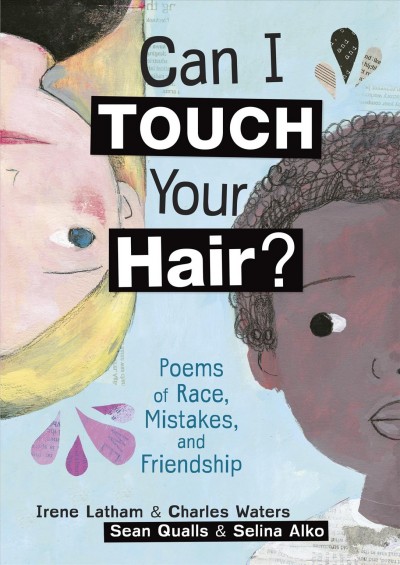
Irene Latham, who is white, and Charles Waters, who is black, present paired poems about topics including family dinners, sports, recess, and much more. This relatable collection explores different experiences of race in America.
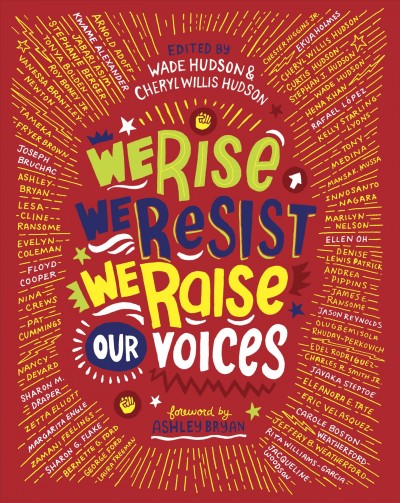
What do we tell our children when the world seems bleak, and prejudice and racism run rampant? With 96 lavishly designed pages of original art and prose, fifty diverse creators lend voice to young activists.
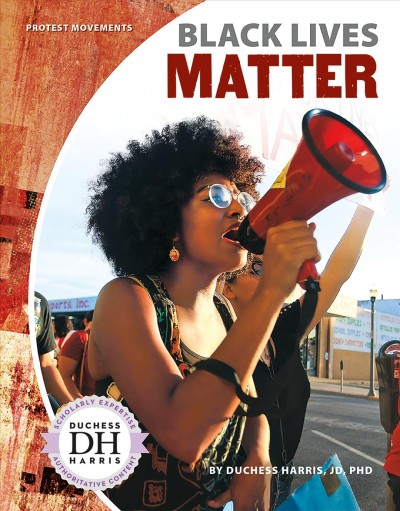
What started as a hashtag in 2013 quickly grew into the Black Lives Matter movement. Black Lives Matter examines the police shootings that fueled the movement, the events that led up to racial tensions in the United States, and the goals the movement has set for the future.
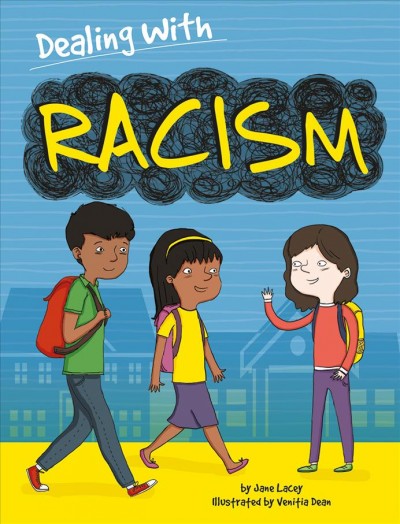
Sometimes you can sort out a problem on your own. But sometimes you need to ask for help. This book helps young children to make this decision and find out about and understand racism. It features seven case studies from children who have a range of racism problems from a girl who is being left out because she is Muslim to the new boy in school from another country who is struggling to fit in. The end of the book features a short playscript to act out and discuss.
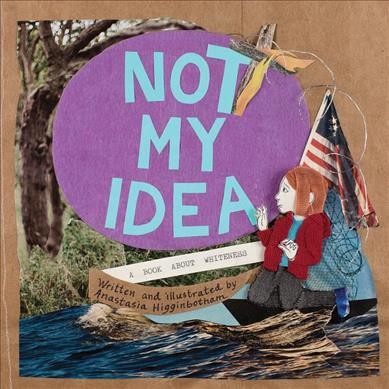
A white child sees a TV news report of a white police officer shooting and killing a black man. “In our family, we don’t see color,” his mother says, but he sees the colors plain enough. An afternoon in the library’s history stacks uncover the truth of white supremacy in America. Racism was not his idea and he refuses to defend it.

This nonfiction book examines how we can foster reconciliation with Indigenous people at individual, family, community and national levels. While this book focuses on Canadians and their indigenous community, we can take a lot of the content and apply it to America.
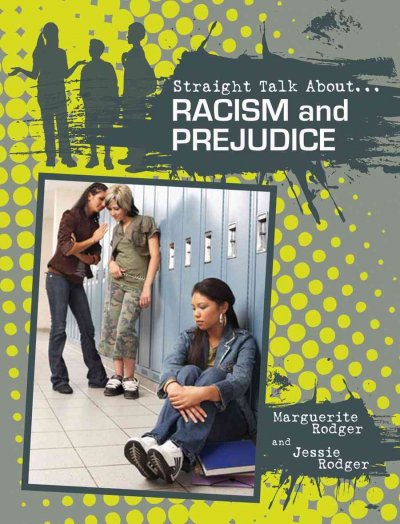
The authors discuss the history of hate and include personal accounts from those who’ve dealt with being stereotyped. The book is well laid out and easy to read, with bolded terms defined in a glossary, a list of resources for those affected by racism or prejudice, a “Coping Toolbox,” and a “Hot Topics” question-and-answer section.
 Librarian Ginny