
Talking about, demonstrating, and teaching early literacy is a huge part of my job at my public library. Because I reference it a lot in some of my blog posts, I want to dedicate an entire post to it. Though there are many philosophies of thought on the topic, I’m going to be referencing the Every Child Ready to Read (ECRR) initiative.
What is early literacy? It’s everything a child needs to know about reading and writing before they can actually read and write. More for a caregiver’s standpoint, it’s how language and literacy development inform our choices.
Every Child Ready to Read has had two editions. The first edition emphasized letter name knowledge, phonological awareness, concepts of print, as well as skills that are associated with longer-term success in reading, vocabulary, comprehension, and background knowledge. However, it was full of jargon, expensive, and hard to continue program for caregivers to maintain.
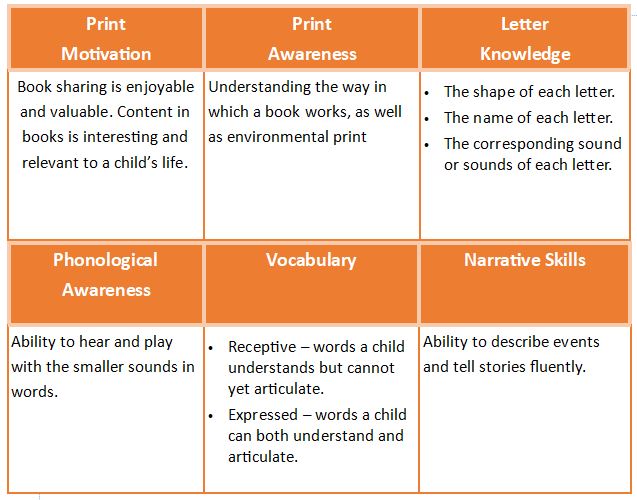
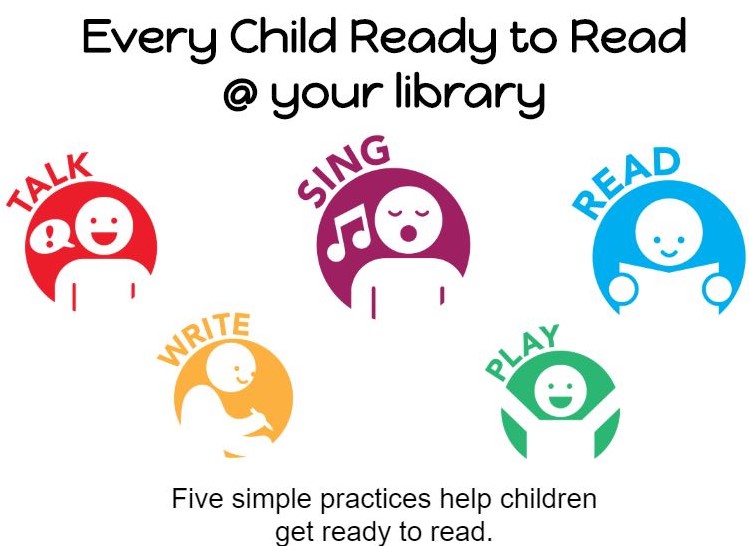
The second edition improved in many aspects. It still strengthens all the six skills as before- the phonological awareness, narrative skills, letter knowledge, etc. -but it does so in a way that is relateable to caregivers and easy to incorporate into everyday life. They explain that there are five daily practices to build the necessary early literacy skills: Talk, Sing, Read, Write, and Play. Doing these five activities with a child every day builds the skills found in the first edition.
Points to Make to Caregivers:
- Learning to read begins at birth.
- Use the language you know best.
- The five practices (talk, sing, read, write, play) are easy to do with children of all ages. They can be done at home, at the doctor’s office, in the car, or anywhere a caregiver and their child spend time together.
- Since the five practices are more familiar to caregivers than the six skills from ECRR 1st Edition, caregivers will find it easier to integrate the five practices into everyday life. At the same time, these simple practices are powerful ways to help children develop early literacy skills.
- The idea of early literacy “practices” is important. A practice is a habitual activity, something that is repeated regularly. Stress to caregivers the importance of engaging their children in early literacy practices on a daily basis. The accumulation of early literacy experiences will help children gain those skills so they’re ready to read.
In future posts, I’ll go into how to incorporate each of the five daily practices into storytimes and other library programming.
Check out the segment on Talking!
 Librarian Ginny