
My library happens to serve a really great, empathetic community that really takes to heart the Windows and Mirrors concept. Because of this, we get requests for books that are about diverse characters. Here’s a booklist I crafted for the library on differing abilities since it’s such a common request.
Note: There are varying views in the worldwide community about whether autism is considered a differing ability or not. For the purpose of this list, I have decided to include some options of books on autism, but I caution everyone to know their local community and groups as to whether this would be appropriate for them.
If you’re looking for even more suggestions, check out ALA’s Schneider Family Book Award site!
Early Readers (ages 0-6)
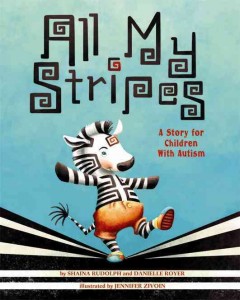
Zane rushes home to tell his mother about problems he faced during his school day, and she reminds him that while others may only see his “autism stripe,” he has stripes for honesty, caring, and much more. While this title is slightly problematic, it is also a useful discussion starter.

The renowned cat conservationist reflects on his early childhood struggles with a speech disorder, describing how he only spoke fluently when he was communicating with animals and how he resolved at a young age to find his voice to be their advocate.

In Different Abilities, beginning readers will learn to celebrate diversity by appreciating the variety of abilities people have. Vibrant, full-color photos and carefully leveled text engage young readers as they draw inferences about how diversity makes our society stronger and more interesting.

Born in rural Ghana in 1977 with only one functional leg, he grew up to become a national hero and disabilities activist. Learning to ride a bike brought him to the national stage: he embarked on a 400-mile bicycle ride through Ghana, spreading his message that “being disabled does not mean being unable.”
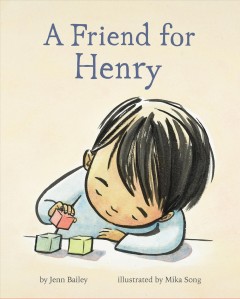
Henry would like to find a friend at school, but for a boy on the autism spectrum, making friends can be difficult, as his efforts are sometimes misinterpreted, or things just go wrong–but Henry keeps trying, and in the end he finds a friend he can play with.
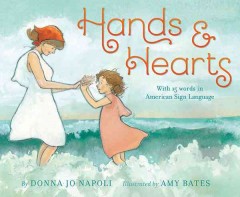
In fifteen short, warm free-verse poems, a young girl and her mother enjoy a leisurely day at the seaside: splashing in the ocean, playing in the sand, watching the sunset. Soft pencil and watercolor illustrations emphasize the water, sand, and light of a summer day. In sidebars, pencil drawings illustrate one word from each poem in American Sign Language.
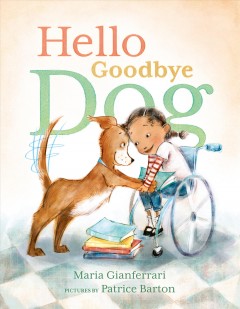
Like most dogs, Moose loves “hello” and hates “goodbye.” “Hello” is a ride in the car, a pat on the head, or a visit with her favorite people. “Goodbye” is a closed door and being alone. Moose loves “hello” most when it involves her favorite human, Zara. When Zara steers her wheelchair into her family’s van, it means good-bye. Not for long. After all, one thing Moose loves almost as much as “hello” is being read to, and what better place to be read to than school?
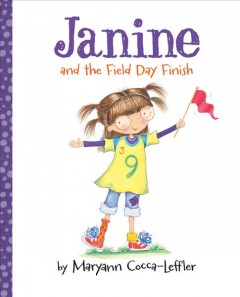
Janine knows her body doesn’t work as well as other kids’, but she’s ready for field day anyway, from the froufrou good-luck ribbons adorning her red sneakers to the kicky cheer she’s invented to spur everyone on. Her classmate Abby, however, is not impressed.
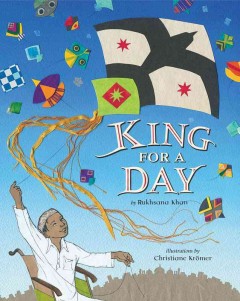
During Basant, the people of Lahore move to their rooftops to enjoy the spectacle of a sky filled with kites and birds, an impressive city skyline, their community, and the renewal of spring. Here, a boy in a wheelchair overpowers the neighborhood bully with his kite-flying savvy and keen, compassionate eye.

Zulay, who’s blind, is determined to race at Field Day. This fantastic book welcomes readers into a world where the successes and frustrations of being disabled are noted and respected.
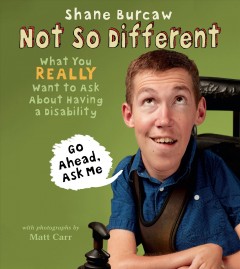
A picture book answering the questions young children ask Shane Burcaw about his wheelchair and life with Spinal Muscular Atrophy with equal parts optimism, humor, and empathy.
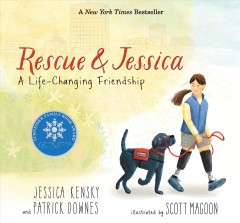
When he is paired with a girl who has lost her legs, Rescue worries that he isn’t up to the task of being her service dog. Though I wish this was from Jessica’s point of view, it’s a nice insight.
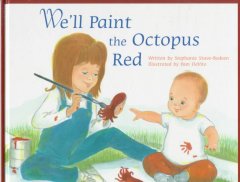
When young Emma learns she’ll have a new sibling soon, she thinks of all the activities she can do with the baby. But when her brother Isaac is born with Down syndrome, her father explains that she can probably do all of the activities she had planned, but that Isaac might require more time, patience, and help to do them.
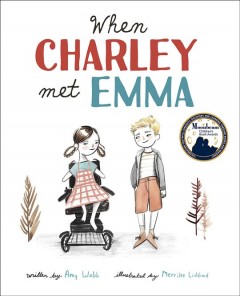
Five-year-old Charley gets teased for daydreaming and drawing more than his friends, but when he meets Emma, who is physically different, he needs help remembering that being different is okay.
Older Elementary (ages 6-12)

When 11-year-old worrywart Genie and his big brother, Ernie, leave Brooklyn and go to their grandparents’ home in rural Virginia, it seems as though they have been dropped on another planet. The city boys are introduced to another way of life and to their blind grandfather, who goes to extreme lengths to conceal his disability.
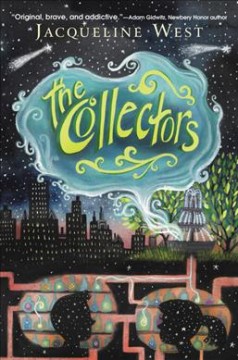
Van has always been an outsider. Most people don’t notice him. But he notices them. And he notices the small trinkets they drop, or lose, or throw away–that’s why his collection is full of treasures. Then one day, Van notices a girl stealing pennies from a fountain, and everything changes. He follows the girl, Pebble, and uncovers an underground world full of wishes and the people who collect them. Apparently not all wishes are good and even good wishes often have unintended consequences–and the Collectors have made it their duty to protect us. But they aren’t the only ones who have their eyes on the world’s wishes–and they may not be the good guys, after all.

As a child, Lange was teased and rejected by her peers for her limp, yet the very invisibility she feels becomes an asset as she learns to see “with her eyes and her heart.” As Lange grew older, she began taking photographs, eventually discovering her interest in capturing portraits of the impoverished and needy during the Great Depression.
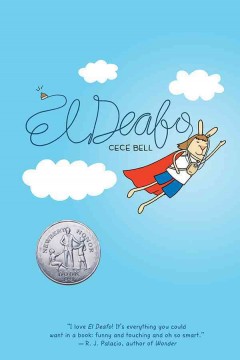
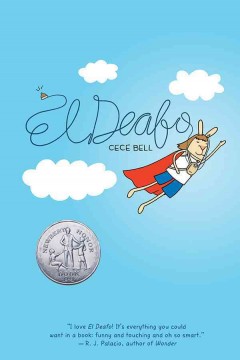
Going to school and making new friends can be tough. But going to school and making new friends while wearing a bulky hearing aid strapped to your chest? That requires superpowers! In this funny, poignant graphic novel memoir, author/illustrator Cece Bell chronicles her hearing loss at a young age and her subsequent experiences with the Phonic Ear.

Sixth-grader Ally Nickerson has been to seven schools in seven years, and the same thing happens at each one: she spends more time in the principal’s office than in class. The pattern is repeating at Ally’s current school until a long-term substitute teacher, Mr. Daniels, discovers that Ally is acting out to hide the fact that she can’t read. Ally is deeply ashamed and has bought into what others have told her—that she’s dumb and worthless—but Mr. Daniels helps her understand that she has dyslexia
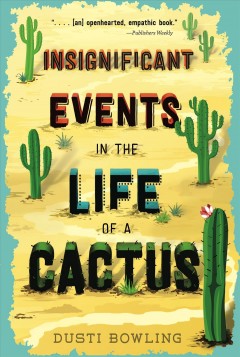
New friends and a mystery help Aden, thirteen, adjust to middle school and life at a dying western theme park in a new state, where her being born armless presents many challenges.

Third-grader Meena Zee navigates the triumphs and challenges of family, friendship, and school while being diagnosed with epilepsy.
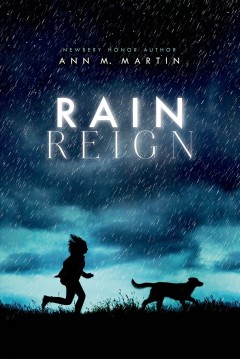
Struggling with Asperger’s, Rose shares a bond with her beloved dog, but when the dog goes missing during a storm, Rose is forced to confront the limits of her comfort levels, even if it means leaving her routines in order to search for her pet.
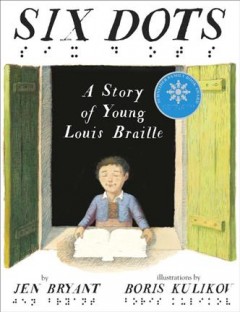
Louis Braille was just five years old when he lost his sight. He was a clever boy, determined to live like everyone else, and what he wanted more than anything was to be able to read. Even at the school for the blind in Paris, there were no books for him. And so he invented his own alphabet–a whole new system for writing that could be read by touch. A system so ingenious that it is still used by the blind community today.

Aaron Philip’s memoir chronicles his extraordinary journey from happy baby in Antigua to confident teen artist in New York City. His honest, often funny stories of triumph– despite physical difficulties, poverty, and other challenges– are as inspiring as they are eye-opening
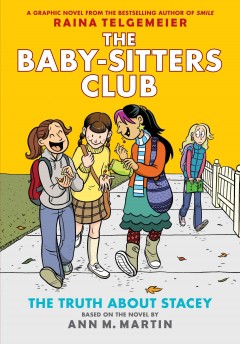
Joining the Baby-sitter’s Club after moving to a new town, Stacey helps her new friends outmaneuver a rival sitter group while coming to terms with her diabetes.

Twelve-year-old Iris and her grandmother, both deaf, drive from Texas to Alaska armed with Iris’s plan to help Blue-55, a whale unable to communicate with other whales.

Dealing with her mother remarrying to a man with twin daughters and her family moving, deaf sixth-grader Macy is told that she must help her elderly neighbor Iris Gillan, who is also getting ready to move to a nursing home.
 Librarian Ginny